

Displaying items by tag: cleanroom
Cleanroom Design Considerations

Let's address some of the many considerations when designing and building a cleanroom. While an exhaustive list would be a thirty-page document, we can highlight some of the common issues, and nomenclature and view a chart with typical designations. Addressing some of the thoughts below early in the process can help your cleanroom be more effective and efficient.
Essential Tips for Choosing Cleanroom Panels for Your Facility?

When selecting cleanroom panels, understanding their types is essential. There are several panel options, including metal, gypsum, and plastic. Metal panels are durable and corrosion-resistant, making them suitable for stringent environments. Gypsum panels offer good insulation and versatility but may not withstand high moisture levels. On the other hand, plastic panels are lightweight and easy to maintain, perfect for less demanding cleanrooms.
Modular Cleanrooms vs. Standard Construction Cleanrooms

Modular cleanrooms use prefabricated components and dedicated installers significantly reducing the time to build a cleanroom. A dedicated design-build modular cleanroom company is typically responsible for all elements of the modular cleanroom project. In contrast to standard construction, the cleanroom is designed by the architect who passes it on to the general contractor as part of the overall project. The general contractor puts the different elements – drywall, ceiling, filtration, HVAC, electrical, flooring, and testing out to bid and the subcontractors work serially to complete the project. As a result, using modular cleanroom technology can significantly shorten the time necessary to build one’s cleanroom.
Building a Cleanroom: Planning and Construction Insights

Building a cleanroom is a complex engineering effort that requires precise planning, well-defined contamination-control strategies, and coordinated execution across architectural, mechanical, electrical, and operational disciplines. Whether designed for pharmaceuticals, semiconductors, medical devices, or advanced manufacturing, a cleanroom must meet defined ISO 14644 classifications, support stable environmental conditions, and enable efficient, compliant workflows.
Best Practices and Considerations for Cleanroom Design and Construction

Creating an effective clean room design and construction plan requires attention to detail. Cleanrooms demand precision and control, ensuring they meet stringent industry standards. Certain best practices apply when building a cleanroom for pharmaceutical use, biotechnology, or microelectronics. This article outlines key considerations and strategies to ensure your clean room setup achieves optimal performance.
What is a cleanroom
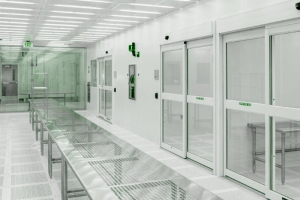
A cleanroom is a controlled environment where pollutants such as dust, airborne microbes, aerosol particles, and chemical vapors are kept at very low levels. It’s designed to maintain a high standard of cleanliness to protect sensitive processes, products, and materials from contamination.
What is an ISO-5 Cleanroom Classification?

ISO-5 cleanroom classification is a common high level of the cleanroom classes. The ISO cleanroom standards are set by the International Organization for Standardization. They are a private international organization with a membership of 167 national standards bodies.
The Ultimate Guide to Cleanroom Standards: ISO vs GMP

Cleanrooms are specialised environments designed to maintain extremely low levels of particulates, such as dust, airborne organisms, or vaporised particles. They are essential in various industries, including pharmaceuticals, biotechnology, and semiconductor manufacturing. Two primary sets of standards govern cleanroom design and operation: ISO 14644 and Good Manufacturing Practices (GMP). This article delves into the differences and similarities between these standards, their applications, and the technological advancements shaping the future of cleanroom compliance.
Clean Room Classifications
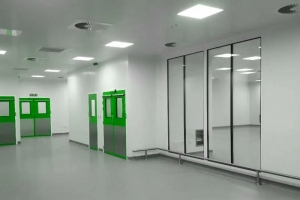
Clean rooms are classified according to the cleanliness level of the air inside the controlled environment. The clean room class is the level of cleanliness the room complies with, according to the quantity and size of particles per cubic meters of air. The primary authority in the US and Canada is the ISO classification system ISO 14644-1.
Cleanroom Design Checklist

A cleanroom design is a detailed process that requires balancing rigorous cleanliness standards with functional and practical considerations. Cleanrooms are essential across various industries, including biotechnology, electronics, and aerospace, where controlled environments are necessary to ensure product quality and compliance with industry standards.


