About The Author


Cleanroom Control and Maintenance
Proper cleanroom cleaning procedure and maintenance protocol is an immediate, low-cost measure to enhance overall cleanliness, consistency, and contamination control within cleanrooms. This guide provides a framework for cleanroom management, protocol standards, specifications, and processes for general manufacturing and biomedical applications. Because each cleanroom class can require slightly different supplies and protocol, this overview connects best practices with application specific techniques for gowning, wipedown, and particle control. This guide should serve as a resource for understanding broad-line cleanroom consumable needs, but not as a replacement for expertise tailored to your application.

Common Cleanroom Contaminants
Some of the most common cleanroom contamination include solid dust, liquid, bacteria, fungus, human skin cells and hair, trace moisture, spills and leaks, cosmetics, perfumes, lint, fibers, and more. The vast majority of cleanroom contamination comes from those that work within it.

Sterile Gloving Technique for Cleanrooms
Cleanroom gloves are worn for one of two reasons: to protect the wearer from exposure to dangerous or irritative substances, and to protect cleanroom products from contaminants introduced through operators, equipment, or airborne particles. Pharmaceutical manufacturers will generally require sterile gloves with cleanroom designated packaging. Standard surgical glove packaging generally uses a polycellulose spunwoven fabric which generates a high count of particles when opened and handled. Cleanroom glove packaging features a polyethylene, easy open packaging which is washed with deionized water, assembled in an ISO Class 4 cleanroom, and then packaged for delivery in an ISO Class 5 Cleanroom.

Cleanroom Cleaning Procedure
A cleanroom is a controlled environment where products are packed, manufactured, and assembled. The room eliminates sub-micron airborne contamination generated from people, processes, facilities and equipment. The higher the level of cleanliness, the lower the likeliness of particles or microbes damaging or corrupting production processes by tainting sterile and non-sterile products.

Reduce Contamination in Cleanrooms
A cleanroom bears its name for a reason: its very purpose is to stay sanitary and free of contaminants to maintain a stable work environment. Because employees handle sensitive equipment and components in these critical areas, keeping contaminants at bay is essential to everyday workflow, and ultimately, maintaining profitability.
It may come as no surprise that your employees are the most common source of contamination in your cleanrooms. What you may find surprising, however, are the simple steps you can take to minimize contamination risks.
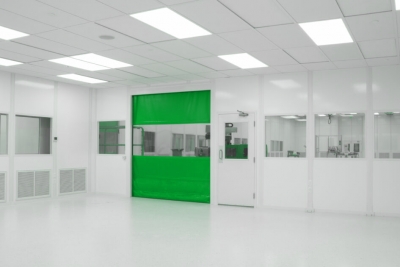
Cleanroom types
Cleanrooms have evolved into two major types and they are differentiated by their method of ventilation. These are turbulently ventilated and unidirectional flow cleanrooms. Turbulently ventilated cleanrooms are also known as ‘nonunidirectional’. Unidirectional flow cleanrooms were originally known as ‘laminar flow’ cleanrooms. The unidirectional type of cleanroom uses very much more air than the turbulently ventilated type, and gives a superior cleanliness. These two types of cleanroom are below.