About The Author

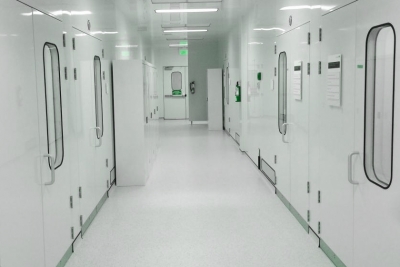
Higher classification than needed?
Every time you go down a class, or up a class, for instance from an ISO 8 (class 100,000) to an ISO 7 (class 10,000), that’s going to take twice as much air. The cost of filtering and moving air is a significant cost of operating a clean room. This process translates all the way down through to the number of filters that you need, the amount of return air space that you need, the amount of air conditioning you need to cool that return air and so forth. And this multiplies itself as you go through the process.
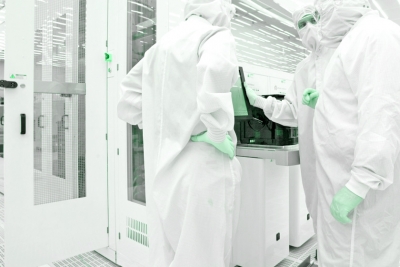
Does classification affect cost?
Everything depends on the amount of air cleanliness that is required; the number of filters you need, the amount of CFM that you need – everything is a result of that decision. Therefore, that decision sets the tone for every other decision that has to do with designing and constructing a clean room. And it adds the cost up front, as well as the operational cost.
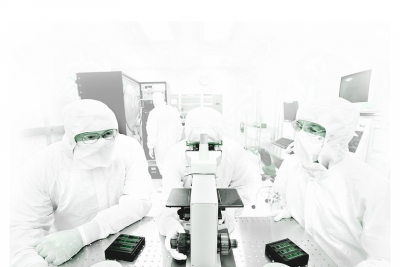
Humidity control affect operation costs?
One of the things to be careful of in respect to cleanroom temperature and humidity control, is specifying them at too low or too tight of a tolerance. That translates again into the cost of construction and the cost of operating your clean room.
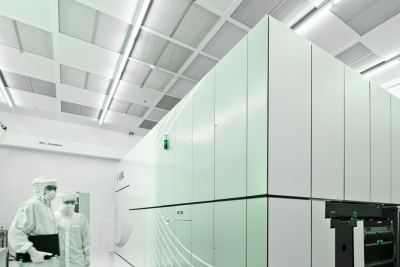
Humidity affect design?
If you’re going to build a cleanroom that needs to maintain a specific temperature requirement, but the outside environment around it is at a higher temperature (for example if you’re putting a cleanroom in an open warehouse that has no temperature or humidity control), the cleanroom envelope has to withstand the difference. So you need an R-value in the wall to ensure the heat doesn’t transfer through. You also need a structure that will stop moisture from transferring.
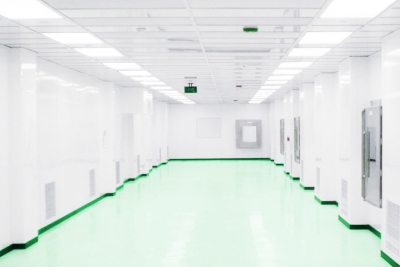
Type of cleanroom wall surface
The type of cleanroom wall surface used is dictated by a lot of things, including the cleanliness required of the cleanroom, whether static electricity is an issue, or the type of cleaners that will be used to clean your cleanroom.
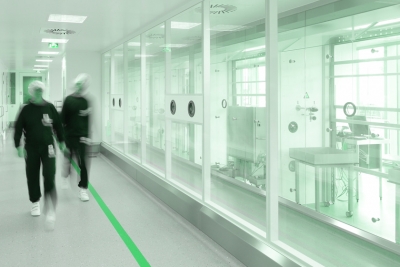
Evaluating cleanroom windows
Windows are an important component of cleanrooms. One of the most important things in a cleanroom environment is to allow personnel to see inside the cleanroom, without making unnecessary trips inside, since you want to limit the amount of people entering the environment.