About The Author

Custom to Your Specs
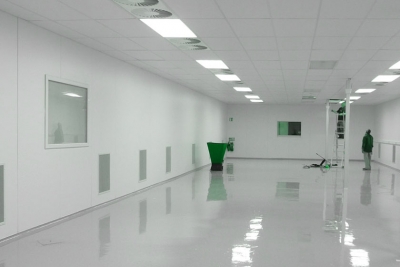
Modular softwall cleanrooms are designed to provide clean environments from ISO Standard 14644 Class 3 to Class 8. Softwall cleanrooms are positive air pressure, single air pass, portable modular structures that can be custom manufactured to your specifications.
Standard units consist of painted steel framing that can be fastened to the ground, aluminum casketed ceiling grid with an interior height of 7’ to 10’. Solid clear vinyl curtains enclose the sides with an access door consisting of vinyl strips that overlap. Clean air is provided through the HEPA filter fan units located in the ceiling (quantity based on size & classification). Lighting is provided by the ceiling grid mounted, sealed cleanroom fixtures.
Cleanroom Air Handlers
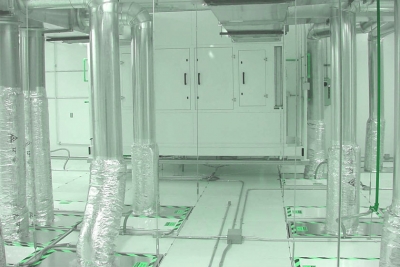
Getting the specification and design right the first time is very important since HVAC is integrated into a building’s framework, making modifications both time consuming and expensive. Additionally, the design, installation, commissioning, and qualification of cleanroom HVAC systems is one of the top considerations in many industries, particularly for pharmaceutical, biotechnology manufacturing facilities. With these conditions in mind, CAT will develop a custom, compliant system to help maintain each cleanroom’s clean environment by allowing the appropriate volume of clean air to each room at a precise temperature and humidity per your requirements.
Cleanroom Consulting
Cleanroom Industries can prepare the needed wealth of information specific to designing thru certification of your cleanroom.
Our design team can provide AutoCAD cleanroom design services for most cleanroom projects for architectural, structural, mechanical and electrical disciplines. A thorough inspection of the proposed job site is usually required and includes field measurements, identifying column locations, photographs of the important items and interferences, items to be scheduled for demolition and discussing the total CAD requirements directly with the customer. The number of personnel making the on-site inspections and the number of trips required is determined by the size, duration and phases of the project. Other topics covered by our cleanroom designers include: international design standards, the economics of cleanroom design, high efficiency air filtration, materials used in cleanroom construction, and the provision of clean gases and water.
The design drawings resulting from this process can also be reviewed and sealed by CAT's staff professional cleanroom engineers, registered in the particular state the project is in. The drawings are then ready to be submitted to the local building and code authority for approval and permits. CAT stands ready to make the cleanroom design process a success given any cleanroom requirement.
Our cleanroom design experience is broad based including FDA validatable multi-user/multi-product facilities; medical, pharmacuetical, microbial/cell culture, gene therapy, and health sciences facilities; aseptic filling, medical device, semiconductor, electronic, optics, military/aerospace, and manufacturing cleanrooms.
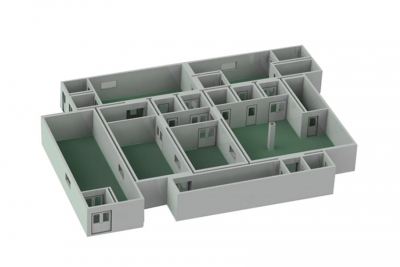
Cleanroom Initial plan
The Initial Plan for Factory Construction
• Type of product, product capacity, and design specification
• Calculation of the cleanroom area
• Consideration on airflow, cleanliness, and cleanroom category
• The arrangement for process equipment
• Classification data collection for process equipment's facility requirement(Include water, electricity, gas)
• Moving lines of the process, relocation, shipping, personnel access arrangements
• The location arrangement, safety and convenience consideration for factory system
• Factories funding and milestone planning
• The investigation on the environment special requirement of the product
• Reserved for future development and expansion
• Environmental Protection Impact Assessment Plan
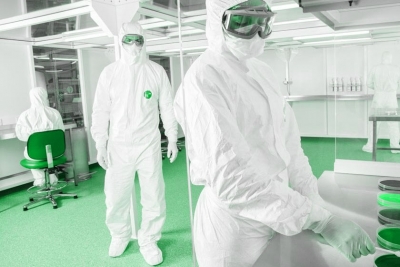
Cleanroom Factor of Cost
Domestic and international regulations, customer demand, competition, and the imperatives of quality assurance are all pressures that are pushing medical device manufacturers to adopt higher standards in their cleanroom manufacturing practices. At the same time, these manufacturers are feeling countervailing pressures from the public, medical practitioners, hospitals, insurance companies, and competitors to contain costs.
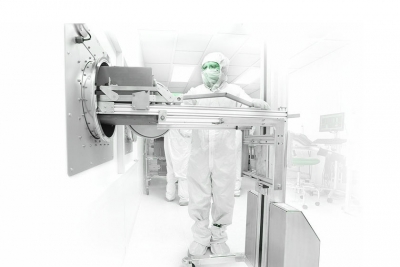
Cleanroom Testing
Cleanrooms, by definition, are designed to control airborne particulate and environmental conditions. Cleanrooms can be positive or negative pressure environments that sweep a specified area with HEPA filtered air. Critical pharmaceutical, microbiological, and nanotechnological areas require adherence to exacting performance requirements. TSS’ certification programs verify that your facilities perform to appropriate international standards and client specifications.