About The Author

Who needs a cleanroom?
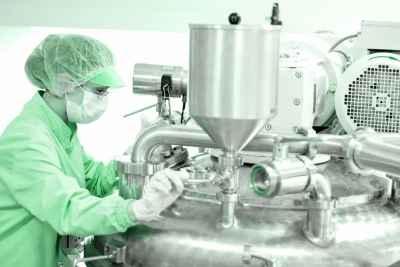
A cleanroom is a controlled environment where pollutants like dust, airborne microbes, and aerosol particles are filtered out in order to provide the cleanest area possible. Most cleanrooms are used for manufacturing products such as electronics, pharmaceutical products, and medical equipment. A cleanroom can be classified into different levels of contamination depending on the amount of particles allowed in the space, per cubic meter. Cleanrooms also control variables like temperature, air flow, and humidity.
Amazing Industries are Using Clean Rooms
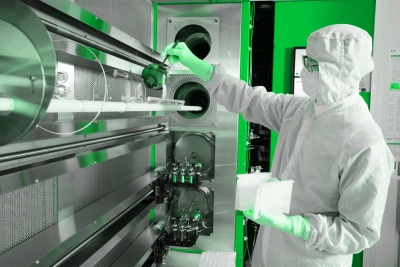
Cleanrooms and their controlled environments have long been associated with the pharmaceutical and medical industries, but thousands of jobs in cleanrooms have been created in other industries where practitioners perform some amazing applications and experiments within the cleanroom setting. Because the cleanroom can be designed to precision specifications and may operate in accordance with strict industry practices, their clean environment lends itself to many manufacturing pursuits that depend upon its enhanced quality controls. The following are just a few of the amazing applications that cleanroom technology fosters.
What Makes a Clean Room “Clean”?
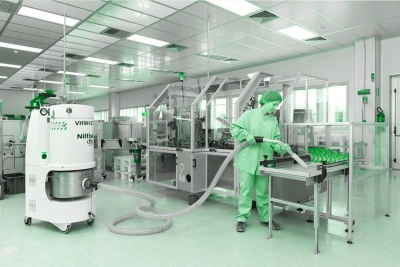
Clean rooms are “created” when clean room designers like Vernick & Associates bring together engineering design, fabrication, finish, and operational controls to convert a “normal” room to a “clean room” so that they can be used for manufacturing. These clean rooms must meet the requirements defined in the Sterile Code of Annex 1 of both the EU and PIC/S Guides to GMP and other standards and guidance as required by local health authorities.
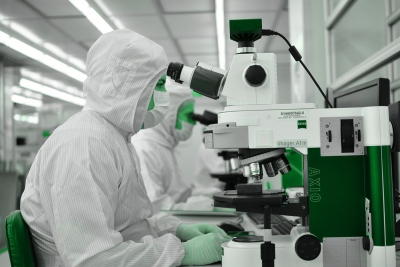
How to build your own clean room
In this article you are guided through the steps of building a clean room. It is based on our experience with our first DIY clean room in the Mediamatic Bank location. It was part of the "Mushroom Paradise" exhibition. Next we started designing and building our inflatable clean room. This article still gives relevant basic info on clean room construction.
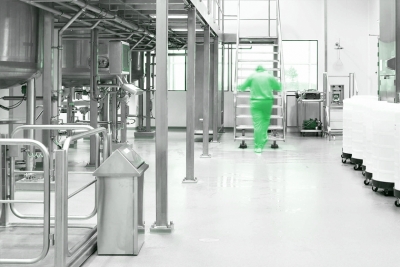
Designing a modular cleanroom
People often come to us for a budgetary price for their cleanroom project without much information about their needs. A cleanroom is an investment and a real asset in a company’s strategy and needs to be well thought through. Many decisions must be taken when building a cleanroom, and these will affect the cleanroom performance, ergonomics and cost. The following 5 questions are, in our opinion the first ones to ask when initiating a cleanroom project.
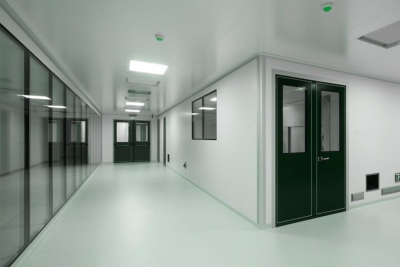
Basic cleanroom requirements
A clean room, in my mind are a combination of engineering design, fabrication, finish and operational controls (control strategy) that are required to convert a “normal” room to a “clean room”. In this blog I will attempt to explain the necessary characteristics of a regulated company clean room not producing potent chemicals or active or hazardous biologicals. If there are significant containment requirements, the requirements would be outside the scope of a “simplistic” blog like this. In a pharmaceutical sense, clean rooms are those rooms that meet the code of GMP requirements as defined in the sterile code of GMP, i.e. Annex 1 of both the EU and PIC/S Guides to GMP and other standards and guidance as required by local health authorities.