About The Author

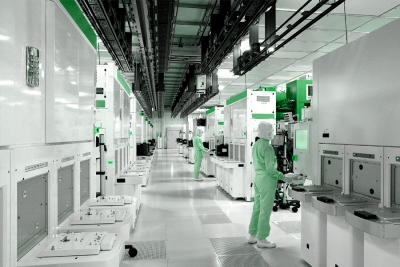
Cleanroom Airflow Velocities
Air is of fundamental importance to cleanrooms, either as a contamination source (microorganisms carried in the air-stream) or as a control measure to minimize contamination (through the supply of clean air and controlling the direction of air movement). Therefore, controlling a cleanroom requires careful attention to the factors of air filtration, air velocity and air flow. While cleanrooms are typically designed to achieve turbulent airflow, with clean air devices, and EU / WHO GMP Grade A / ISO 14644 class 5 areas, the air is designed to be unidirectional whereby the air direction and air velocity are designed to remove any contamination deposited into the air-stream away from the critical area. These devices contain HEPA filters, which control the air-speed and direction.
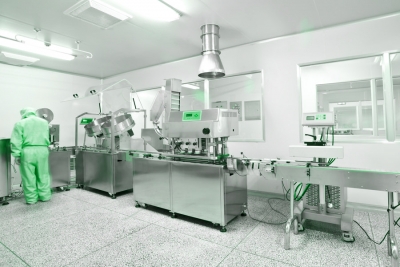
Easing energy consumption in cleanrooms
All manufacturing sectors are facing major challenges in the current climate: legislation is getting stricter, compliance increasingly expensive and international standards get ever more complex.
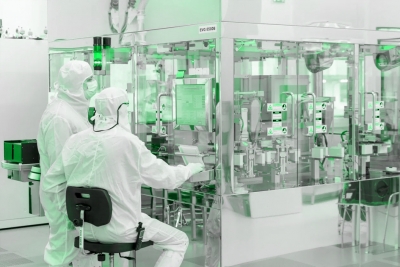
A fresh approach to cleanroom efficiency
The environmental footprint and operational cost of a cleanroom facility is usually secondary to considerations of functionality and performance. However, the aims of environmental efficiency and technical compliance are not mutually exclusive. In fact, a holistic approach to designing energy efficiency into the requirements of a cleanroom can result in a working environment that meets good manufacturing practice (GMP) requirements, while complementing the wider energy management strategy of the site or organisation.
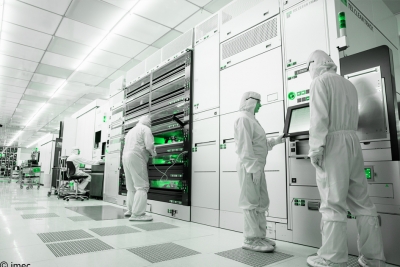
Cleanroom Energy Management
Cleanroom operators have typically put product safety and yields top of the agenda, giving energy efficiency a lower priority. The BSI’s 2010 Cleanroom Conference unveiled new standards that demand a greener ethos
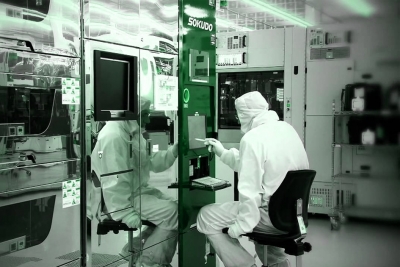
Cleanroom energy efficiency strategies
Technology makes a big difference in cleanroom energy efficiency, but companies can also act to maximize the performance of existing setups. Here are five tips to ensure your cleanroom is operating optimally.
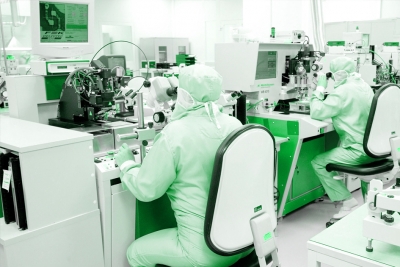
Employees Contaminate Clean Environment
It is commonly known that gowning procedures and air flow requirements are essential to maintaining a sterile clean room environment. Workers and operators don’t realize how crucial employee training is and the enormous impact employees have with the sanitation of the cleanroom. Unfortunately, humans are considered to be the biggest threat to the cleanroom and the largest source for contaminants, accounting for 75% to 80% of particles and microbes generated in a room. Understanding how personnel create particles and microbes or bring in contaminants, can help structure proper employee training, greatly bringing down the risk for clean environment contamination.